Municipalities

Ulea

It is seed.

Where the journey begins.

Ulea is the seed of Valle de Ricote Slow. The starting point for a journey through one of the most distinctive landscapes in the Región de Murcia. A place that has preserved its traditions, its heritage and a way of life that invites you to pause and take in the scenery at leisure. Iberians, Romans and Muslims left their mark here, shaping an identity that can still be felt in its streets, customs and heritage. The memory of Uliya, ‘la Alta’, lives on in every corner, in the orchards, at Salto de la Novia and along the paths that lead you through the municipality at an unhurried pace.

Because Ulea is where Valle de Ricote Slow begins, and where you discover a different way to experience it.

Ulea video

Ulea is not just visited.
It is savoured.

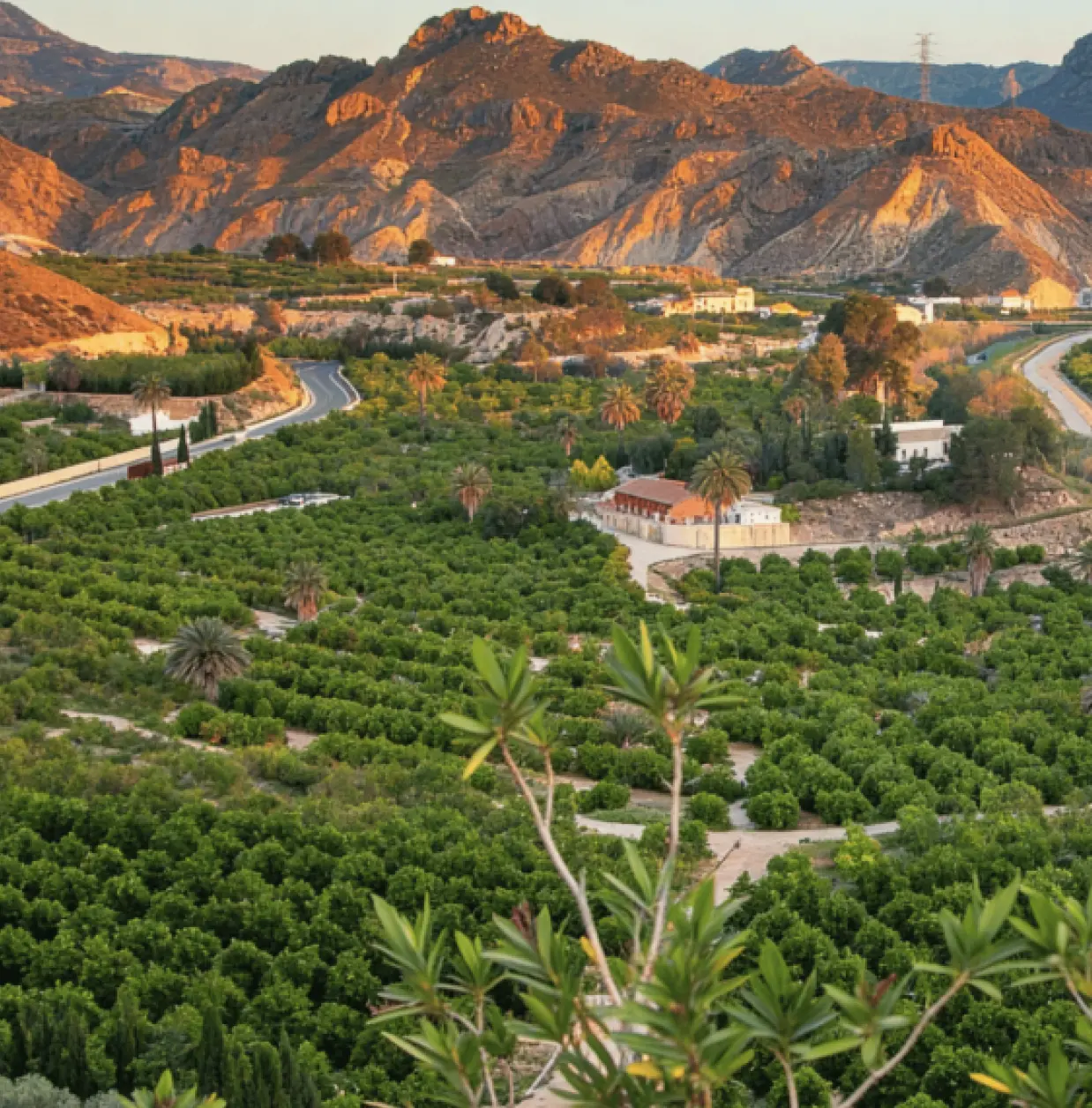
This small municipality in the Valle de Ricote preserves the calm of places that still live in harmony with the land and water. The River Segura, the historic irrigation ditches and the citrus groves combine here to form a fertile, sunlit landscape that permeates every corner of the village.

Ulea also harbours centuries of history within its streets. Its Moorish past, agricultural heritage and the importance of water in daily life are still evident in the ancient irrigation systems, traditional paths and sites linked to the valley’s history. Places such as Ulea castle, the Casa Eiffel and the Salto de la Novia Interpretation Centre allow visitors the chance to discover the historical and cultural identity of one of the most distinctive villages in the area.

Ulea is also part of the Camino del Lignum Crucis, a pilgrimage route of around 140 kilometres divided into six stages, linking Granja de Rocamora with Caravaca de la Cruz. The route highlights the importance of the Lignum Crucis relic, preserved in the Iglesia de San Bartolomé since the knights of the Order of Santiago brought it there in the Middle Ages, and offers visitors the opportunity to discover the close connection between heritage, spirituality and the land.

Amid mountains, viewpoints and terraced fields, Ulea invites you to pause and take in the valley. The Mirador del Corazón de Jesús, the Mirador del Gurugú and the Mirador de la Pinada del Trasvase offer different perspectives on a landscape of palm trees, lemon groves and mountains, with the Segura winding through it. Nearby, places such as Salto de la Novia, Paraje del Golgo and Sierra de Ulea invite you to walk slowly and enjoy the surroundings at leisure.

The gastronomy of Ulea preserves the essence of traditional cuisine from the Valle de Ricote. At its tables, you can still enjoy dishes such as rice with rabbit, wheat stew, migas, paparajotes, and dishes featuring lemon and local fruit and vegetable produce. These are simple, honest flavours that are deeply rooted in the local area.

Small, peaceful and truly authentic, Ulea represents that unhurried way of life that defines the Valle de Ricote.

Here time does not disappear.
It simply… passes more slowly.
Stories and curiosities from Ulea

Did you know...

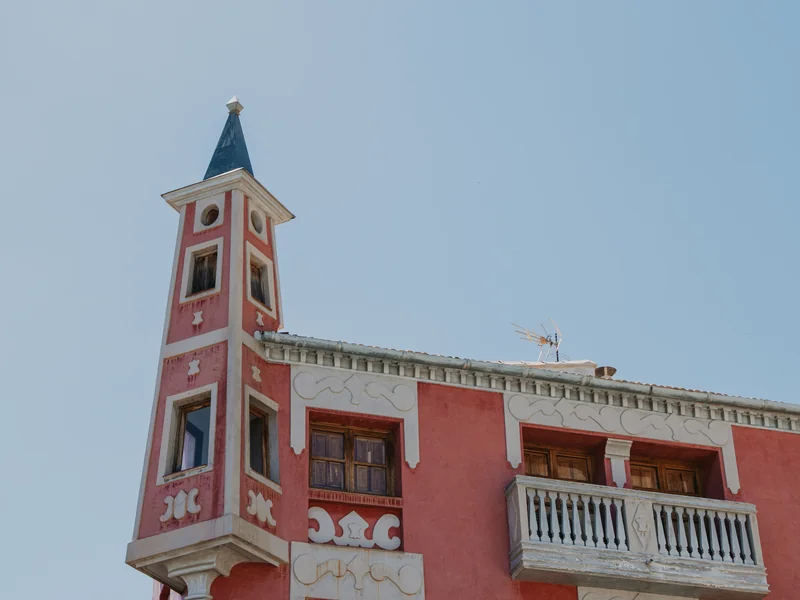
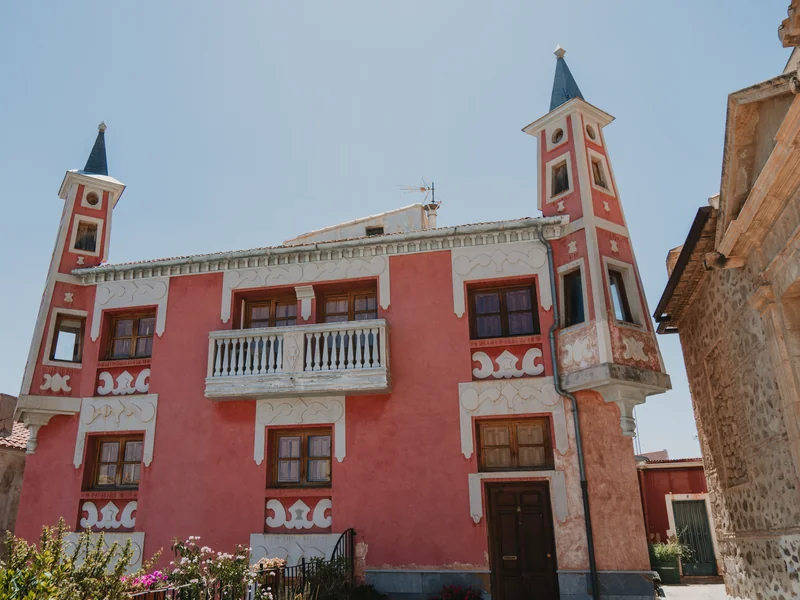
Detail of Casa Eiffel in Ulea

...Gustave Eiffel left his mark on Ulea?

Casa Eiffel is one of Ulea's most distinctive buildings. It was designed in 1910 by the French engineer Alexandre Gustave Eiffel for the Ulea-born businessman José Ríos Torrecilla, following the friendship they formed during the years Ríos Torrecilla lived in Paris. Eiffel even visited Ulea and stayed at his friend's home.

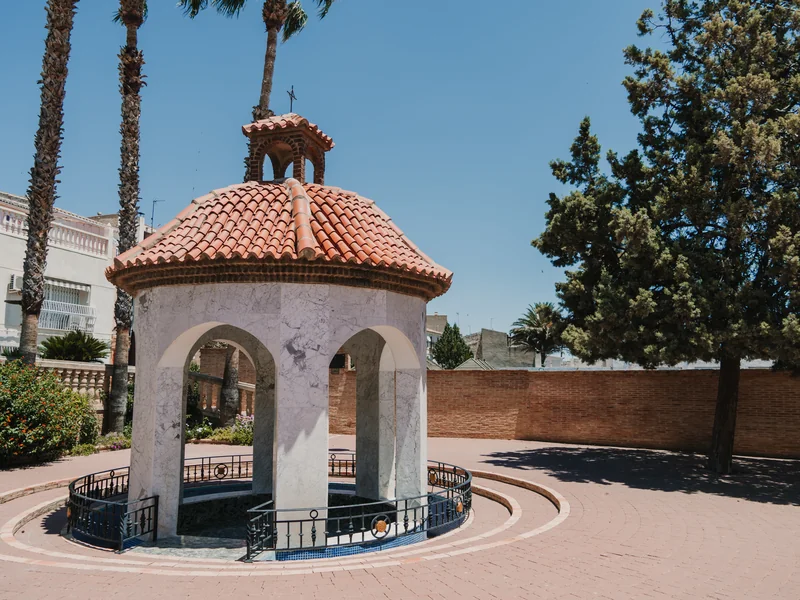
El Henchidor in Ulea

...the Cruz de Ulea is immersed in an irrigation channel every 3 May?

At El Henchidor, the Santísima y Vera Cruz de Ulea is immersed in the waters of the irrigation channel every 3 May. The ritual is linked to the tradition of blessing and purifying irrigation water to protect the municipality's land and crops. This custom keeps Ulea's connection with water and its market gardens alive.

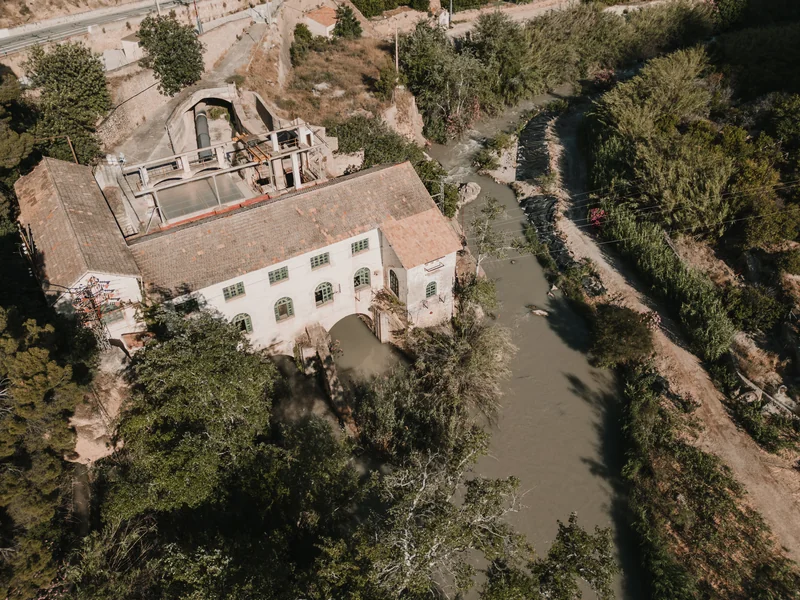
The old Fábrica de la Luz in Ulea

...the power of the Segura was used to generate electricity in Ulea?

At El Golgo, the force of the River Segura powered the machinery of the old Fábrica de la Luz. A weir channelled water to the facilities, built during the development of the electricity industry in the 20th century. Today, the site offers some of the most distinctive views of Ulea and Villanueva.

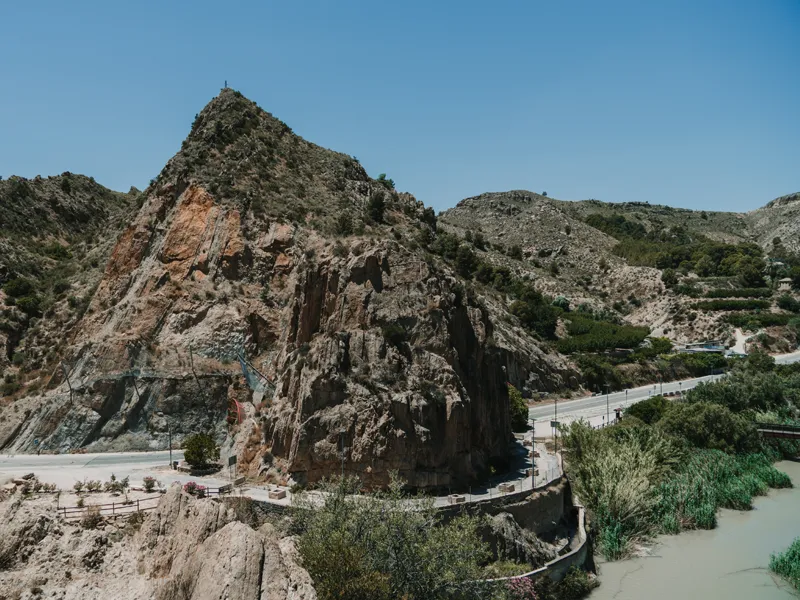
Salto de la Novia in Ulea

...a love story gave Salto de la Novia its name?

Tradition tells that the daughter of a Moorish king of Ulea fell in love with the son of the Moorish king of Ricote, and that they decided to flee together on horseback. As they escaped, they tried to cross the river but never reached the opposite bank. Their love story has been linked to the landscape of Salto de la Novia ever since.

Finca Parque de la Marquesa in Ulea

...Ulea has a house inspired by Cuban haciendas?

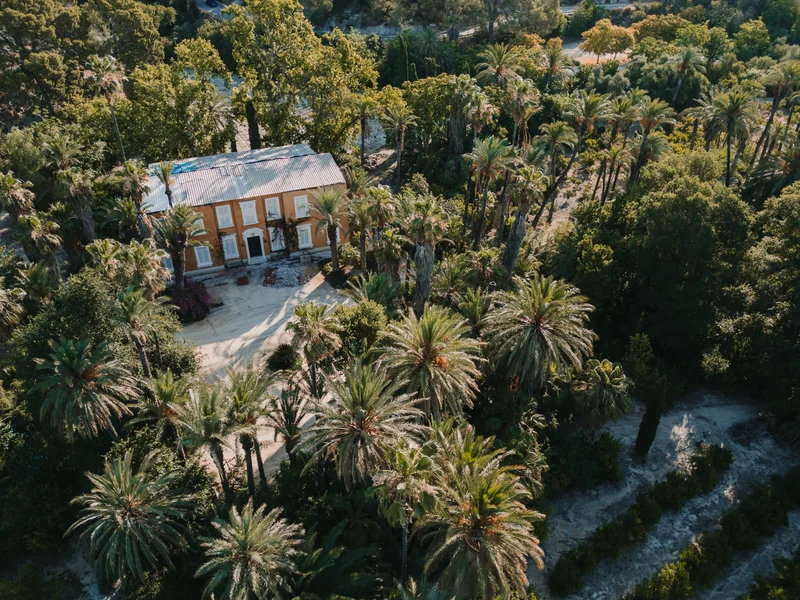
Casa de la Marquesa, owned by the Marquis of Perinat, is a country estate now used as a venue for celebrations. It was a gift from the Marquis of Corvera, owner of Balneario de Archena, to Doña María del Carmen Terry y Torticós. Its architecture recreates the style of Cuban hacienda houses, as the marchioness was born in Cuba.

The clown Fofó, born in Ulea

...the clown Fofó was born in Ulea?

Alfonso Aragón Bermúdez, better known as Fofó, was born on 23 February 1923 on the open ground where the bridge linking Ulea and Villanueva now begins. The bridge opened two years later, in 1925. The Aragón brothers Pompoff, Thedy and Emig also performed in Ulea. Emig was Fofó's father.

El Gurugú in Ulea

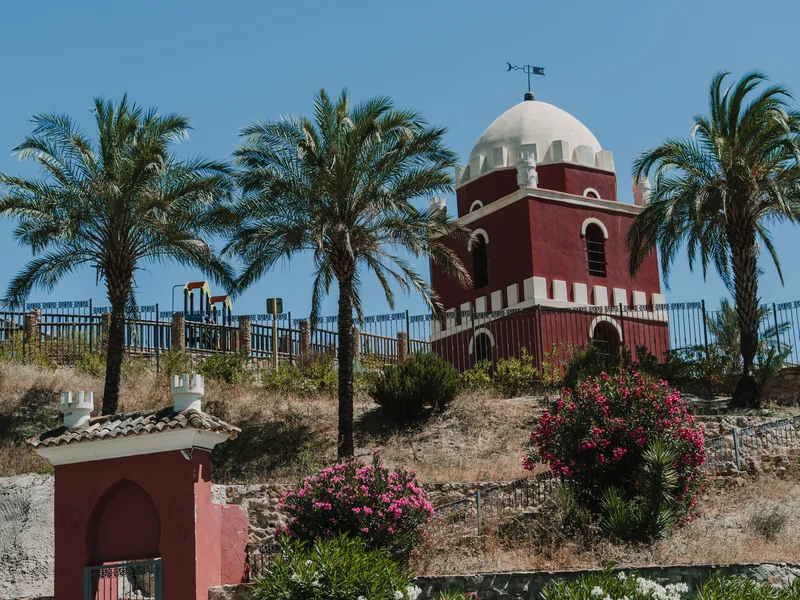
...an old dovecote in Ulea resembles an African fortress?

El Gurugú stands high above the Ulea ravine. The building began as a dovecote and was later used as an agricultural store. Its owner built it in 1870, inspired by the military structures he had seen during the War in Morocco. This explains its small towers and Arabesque-inspired details.

Streets in Ulea's historic centre

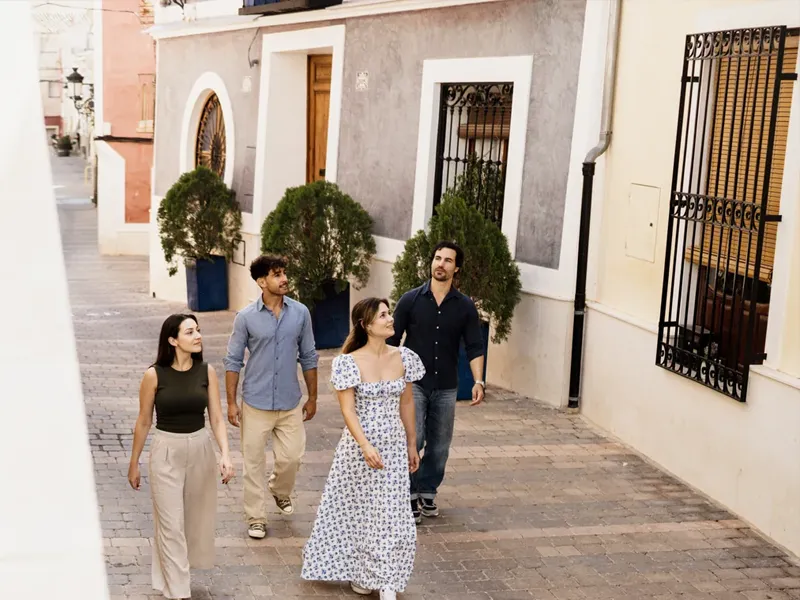
...Ulea's streets preserve traces of its Morisco past?

The old Calle Mayor was the centre of life in Ulea for centuries. The narrow streets, alleyways and small squares of the historic centre preserve traces of that urban layout, characteristic of the villages of Valle de Ricote.

Tierra Roja landscape in Ulea

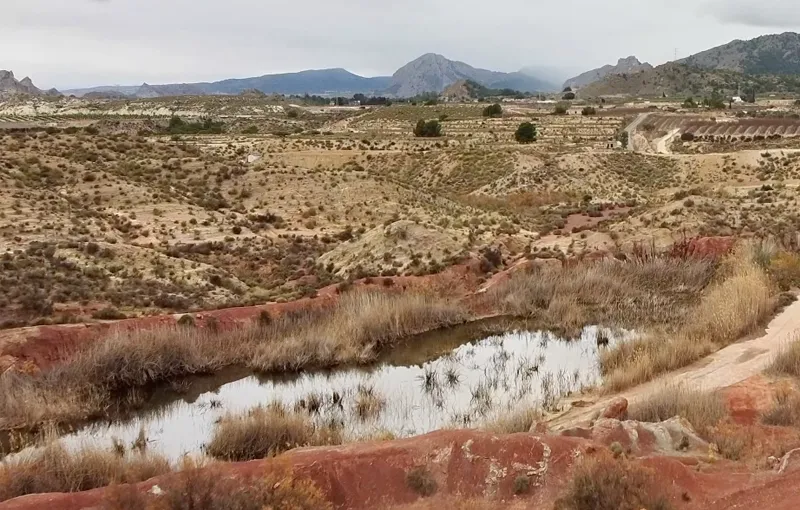
...an old quarry in Ulea eventually became a lagoon?

Tierra Roja, in Cañada de la Piedra, was a red gypsum quarry for many years, supplying material used to make bricks and roof tiles. After the ground collapsed, water filled the area and formed a small lagoon that now provides a haven for several bird species. The site is also notable for celestine, an uncommon mineral.

Plan your visit

Explore Ulea

Loading resources...

More details for your visit

Useful information
about Ulea

Loading forecast...

Ulea Town Hall
Pl. Constitución, 20
30612 Ulea, Murcia
968 69 82 11