Did you know...

Little details that make the Valle de Ricote a truly unique place

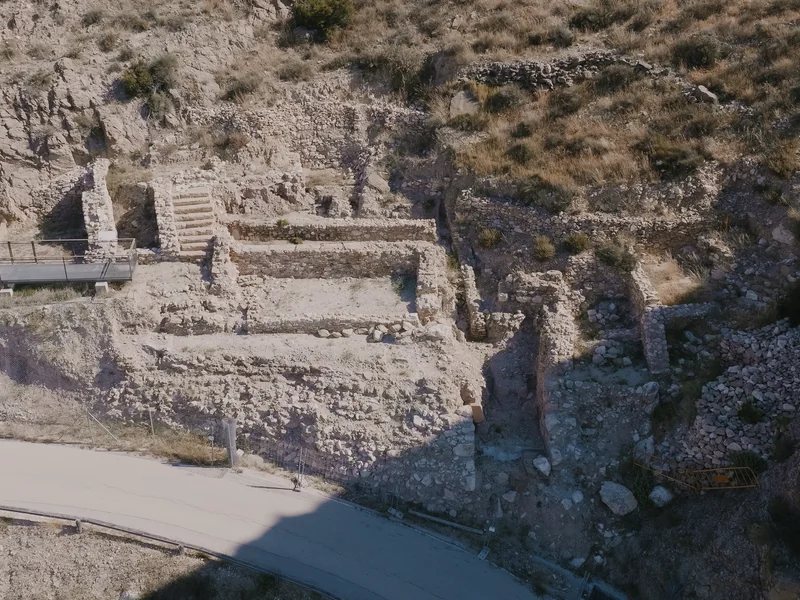
Salto de la Novia archaeological site in Ulea

…this was the last Moorish enclave in Spain?

While in other territories the expulsion came sooner, in the Valle de Ricote the Moorish population remained until 1614. Their legacy lives on in the irrigation channels, the local agriculture, the architecture and the unhurried way of inhabiting the landscape.
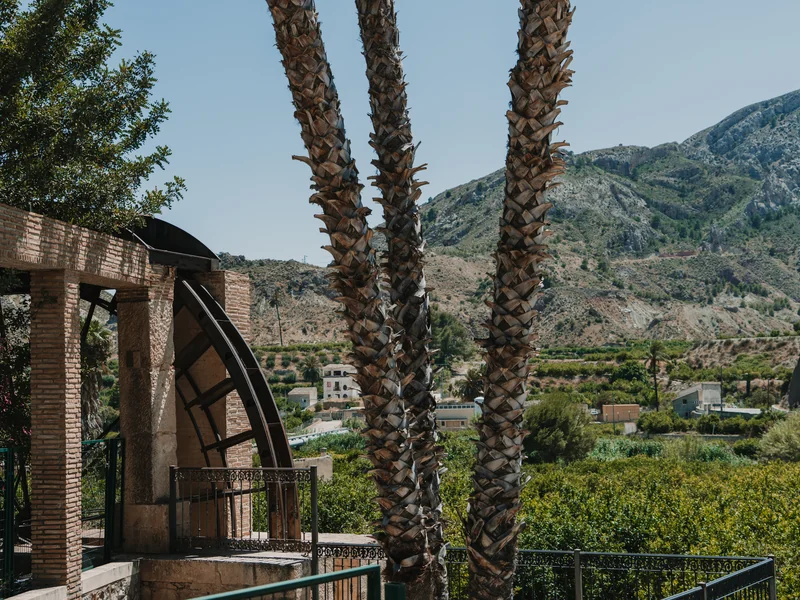
Waterwheel of the Conde de Villafelices in Ulea

…water here doesn’t just irrigate, it organizes life?

The system of irrigation ditches, weirs, watercourses and water wheels of Al-Ándalus origin is still in use centuries later. A model of sustainability which has shaped the landscape and the daily rhythm of the valley.

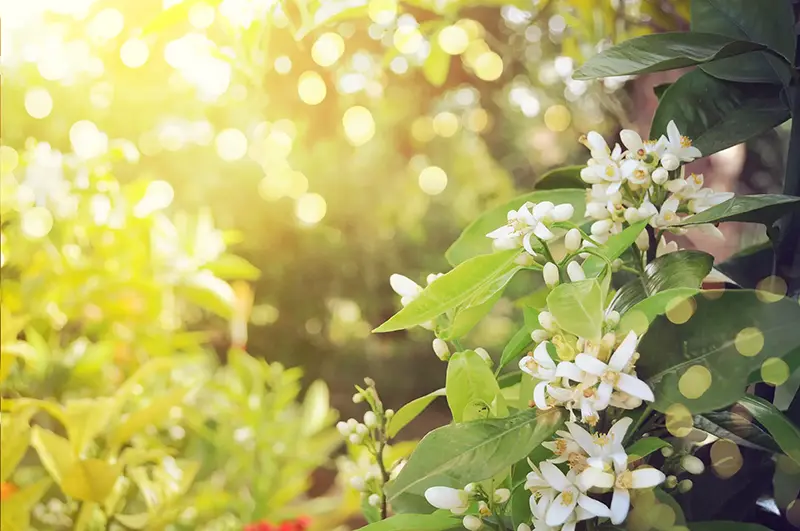
Citrus blossom in the Valle de Ricote

…the citrus blossom season turns the valley into a perfume?

Every spring, the fields of lemon and orange trees fill the air with their scent. For a few weeks, the Valle de Ricote transforms into a landscape which is not just something to be admired: it is to be breathed in.

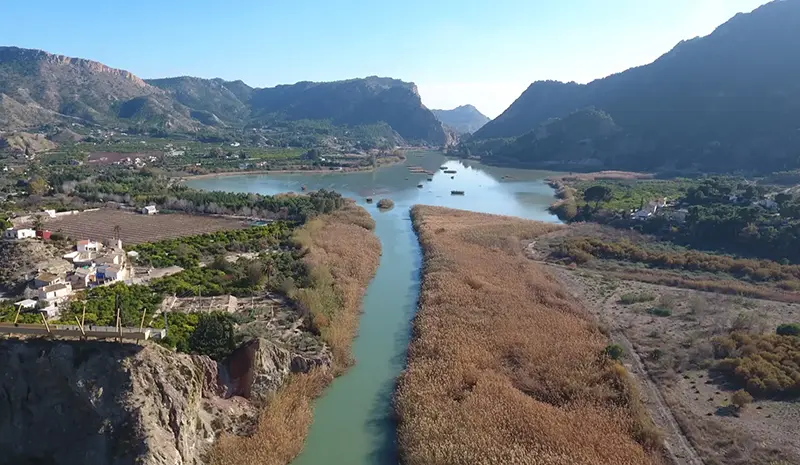
Aerial view of the Azud de Ojós weir, Valle de Ricote

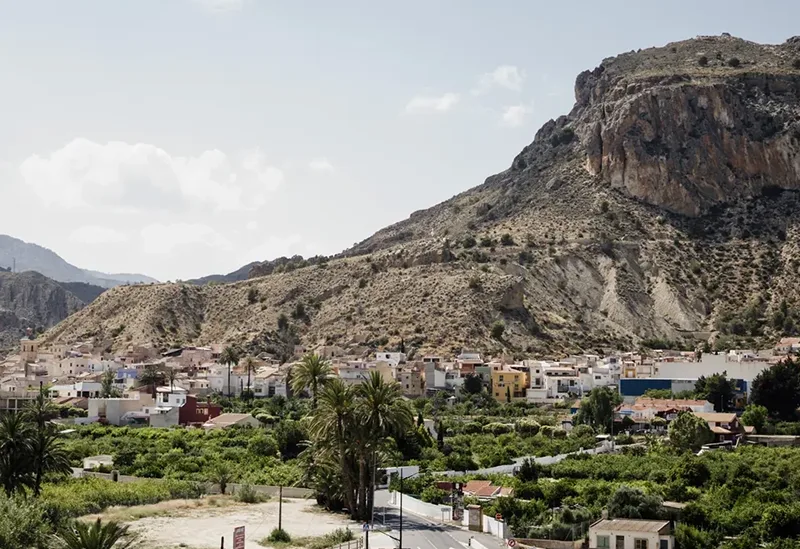
…this valley is considered an oasis in southeastern Spain?

Surrounded by mountains and arid landscapes, the Valle de Ricote surprises visitors with its lush greenery, the ever-present water and the striking contrast created by the River Segura, the palm trees and the citrus groves.

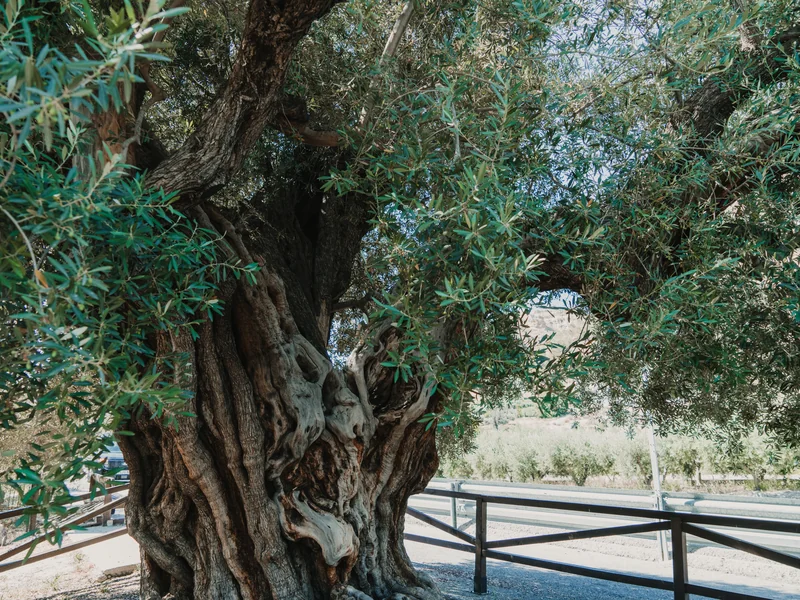
Olivera Gorda de Ricote

…the Olivera Gorda de Ricote is surrounded by legends?

This centuries-old tree is one of the most iconic in the Región de Murcia. Tradition has it that under its canopy, Ibn Hud was proclaimed king in 1228 and that it also witnessed the surrender of the Moors to the troops of Jaume I.

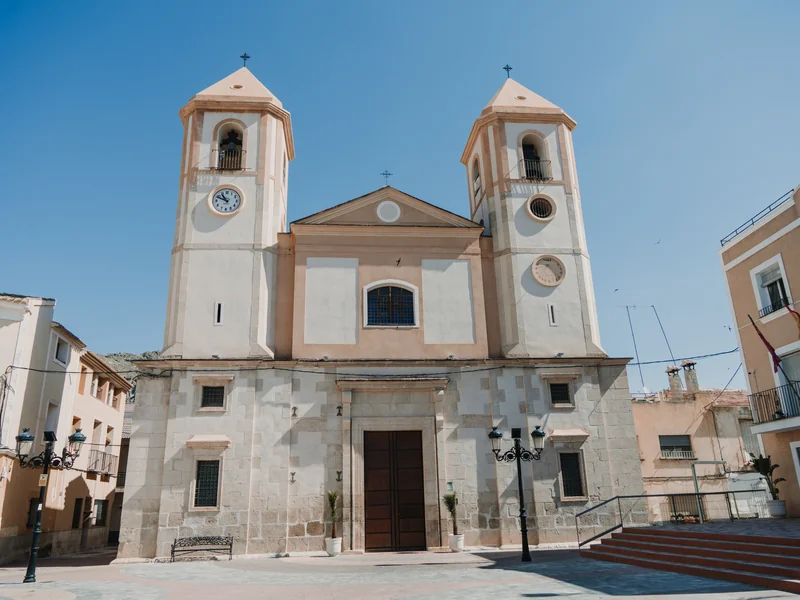
Church of Nuestra Señora de la Asunción in Villanueva del Río Segura

…Villanueva del Río Segura has its own “cathedral”?

The parish church of Our Lady of the Assumption is popularly known as “The Cathedral of the Valle de Ricote” due to its enormous size. Its construction was shaped by the historic rivalry between Villanueva and Ulea that persisted for centuries.

Panoramic view of Ulea

…Ulea was known as the village of the ‘Five Towns’?

During the 15th and 16th centuries, Ulea was known by this name and was home to significant historical settlements, ranging from Iberian remains on the Cerro del Castillico to ancient Roman villas sheltered by the mountains.

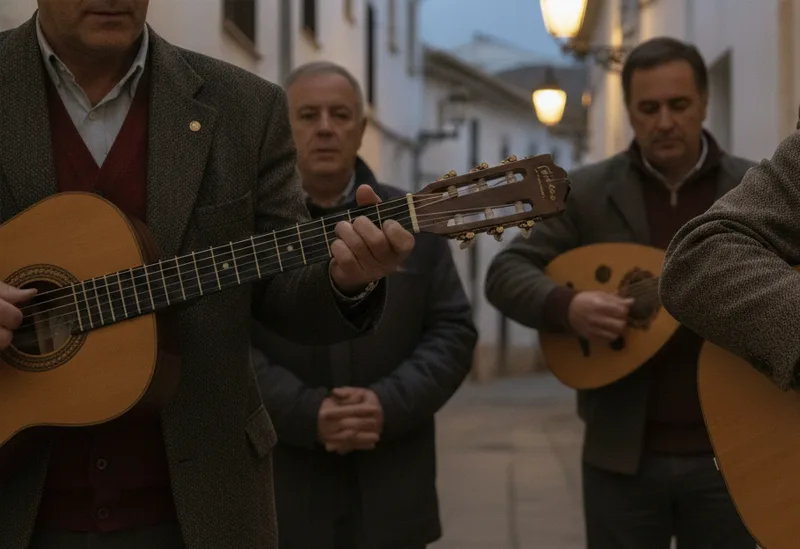
The Auroros of the Valle de Ricote

…the valley still has its Auroros?

In Ulea and other towns in the Valle de Ricote, the tradition of the Auroros is still alive: groups of religious singers who walk the streets at dawn during the month of October to wake the locals with hymns from the Rosary.

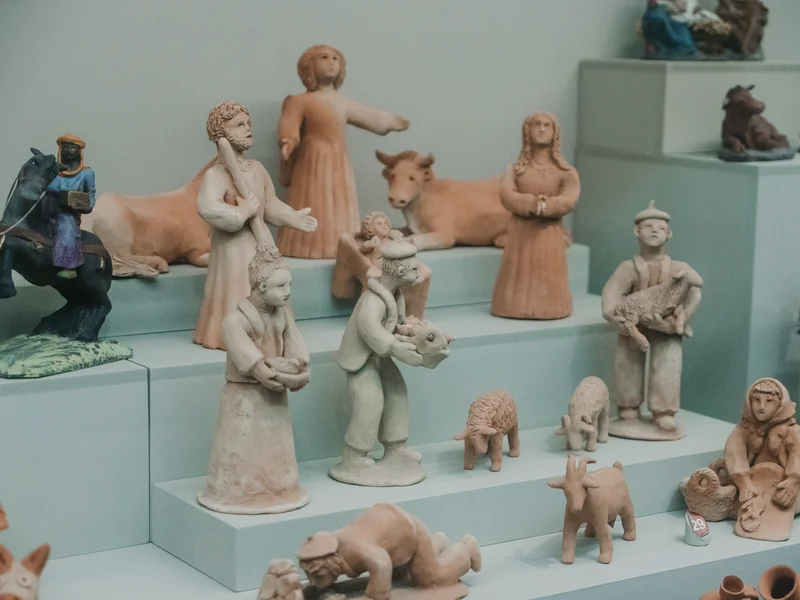
Museum of Nativity Scenes from Around the World in Ojós

…Ojós is home to one of the most surprising nativity scene museums in Spain?

The Museo de Belenes del Mundo (Museum of Nativity Scenes from Around the World) brings together more than 550 nativity scenes and sets from numerous countries, making it one of the most unusual collections in the Región de Murcia.

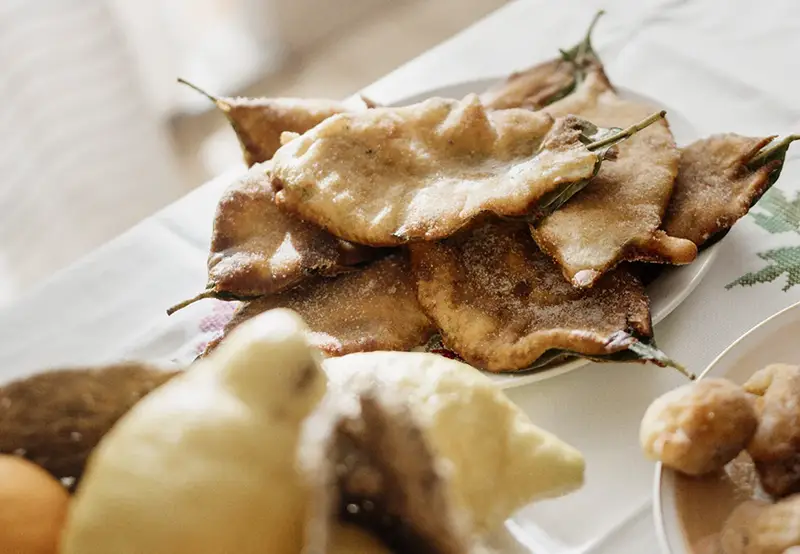
Bizcochos borrachos of the Valle de Ricote

…the famous “bizcochos borrachos” are still made by hand?

This traditional sweet treat from Ojós, made with eggs, flour, sugar, lemon and cinnamon, forms part of the valley’s culinary heritage and can still be found in some local bakeries and pastry shops.

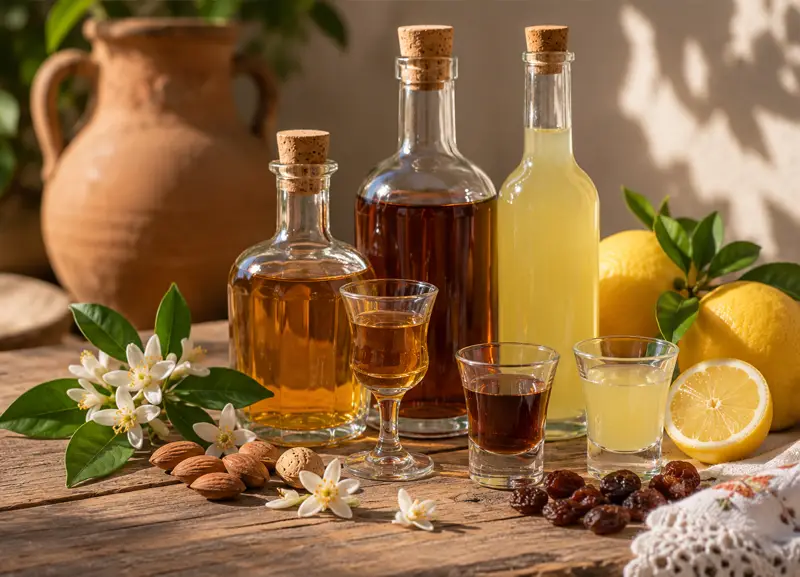
Traditional spirits of the Valle de Ricote

…that Ricote still produces strong, traditionally made spirits?

The tradition of wine-making and spirit production remains alive and well among many residents of the town, who continue to produce their own traditional drinks linked to popular culture and family gatherings.

Paparajotes of the Valle de Ricote

…here lemons are used – and enjoyed – almost in their entirety?

Beyond the kitchen, lemons are an integral part of everyday life in the valley. They are used in traditional recipes, marmalades, sweet dishes, homemade drinks, perfumes, floral water and traditional preparations.

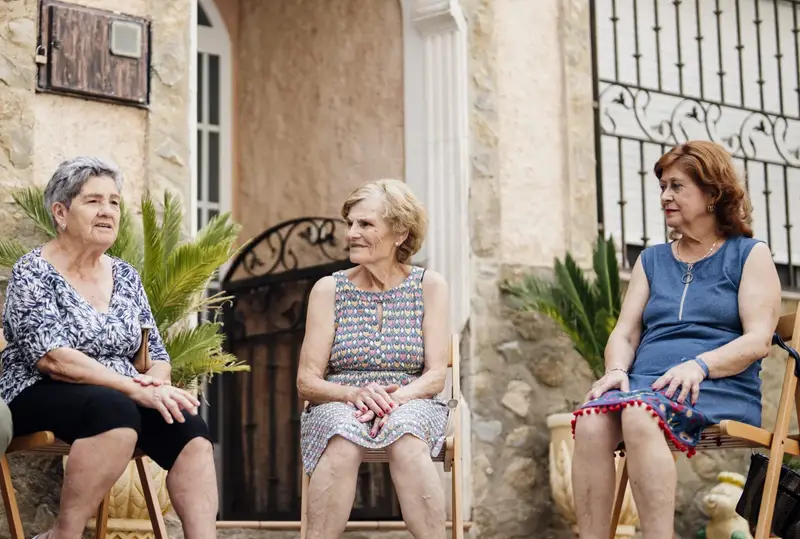
People of the Valle de Ricote

…there are words and customs that can only be understood here?

In Ojós, people still remember “la enredar”, an old folk custom that involved placing flowers when a young man was courting a girl from the village. These small gestures form part of the valley’s collective memory.

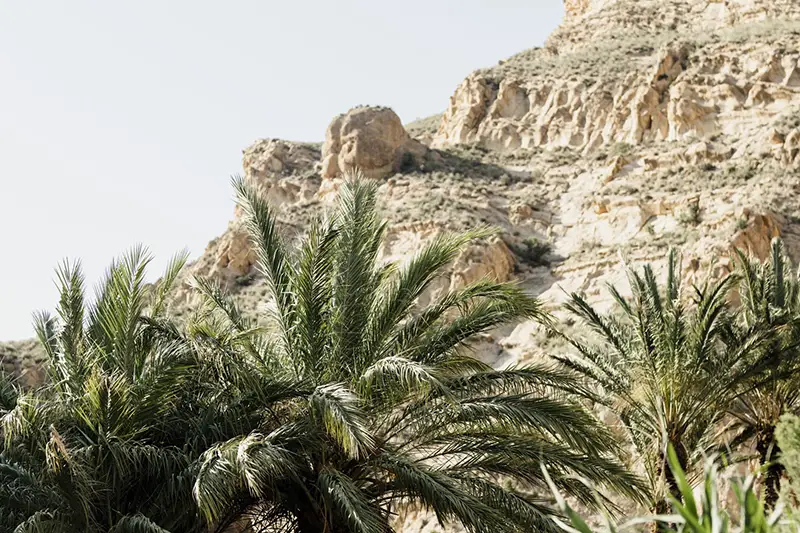
Palm trees and silence in the Valle de Ricote

…silence is also part of the landscape?

In the Valle de Ricote, everything makes a sound… even the things that don’t make any noise. The water, the wind rustling through the palm trees, distant bells or footsteps on the irrigation channel are all part of an experience where silence has a value of its own.

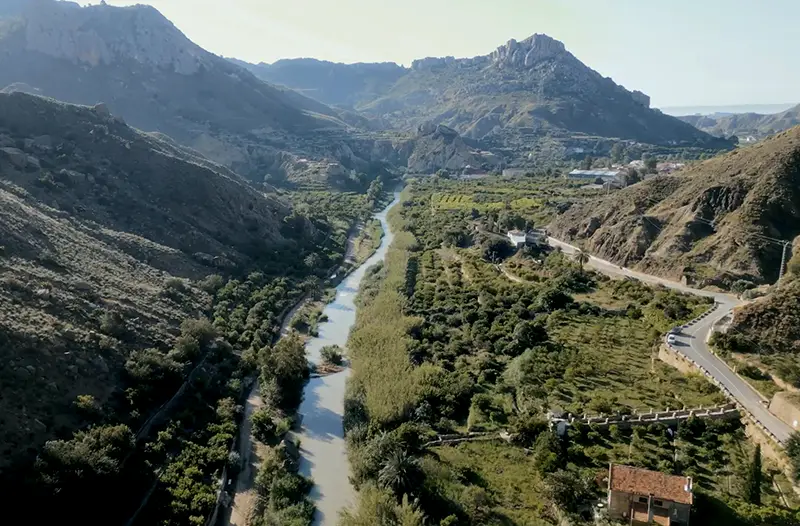
Aerial view of the huerta and the river in the Valle de Ricote

…the fruit trees mean much more than agriculture?

They are culture, economy, tradition and a way of life. A system passed down over centuries, connecting generations and keeping alive one of the most unique cultural landscapes in the Mediterranean.

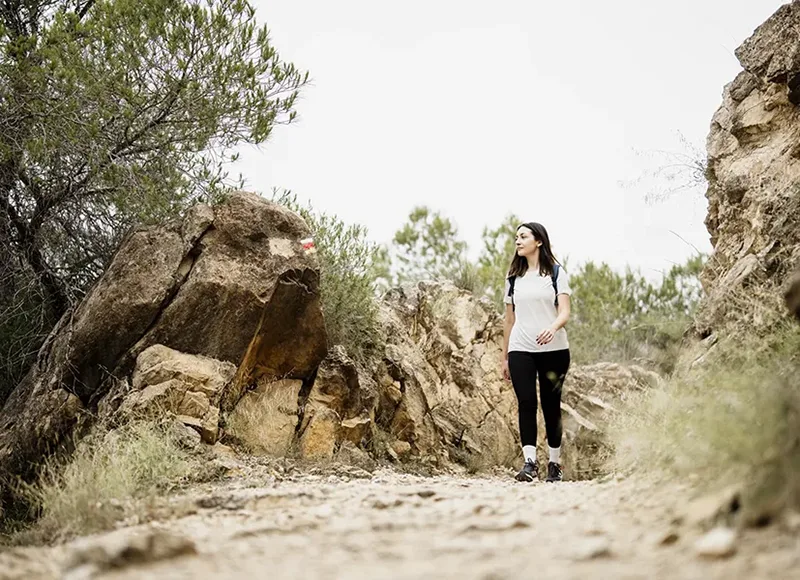
PR-8 Moriscos trail in the Valle de Ricote

…many of the valley’s paths were born for everyday life, not for tourism?

Trails along irrigation ditches, ancient Moorish paths, paths through the fruit groves and mountain tracks still crisscross the territory just as they did centuries ago. Today, they allow you to discover the valley on foot, at the same pace it’s always had.

A backpack to discover the Valle de Ricote

Come and discover it for yourself

Find everything you need to plan your trip: from where to stay in the Valle de Ricote to which experiences to choose, including the flavours, the trails and the activities that shape this territory.

Plan your trip