Municipalities

Ricote

It is lemon.

Where its essence lives on.

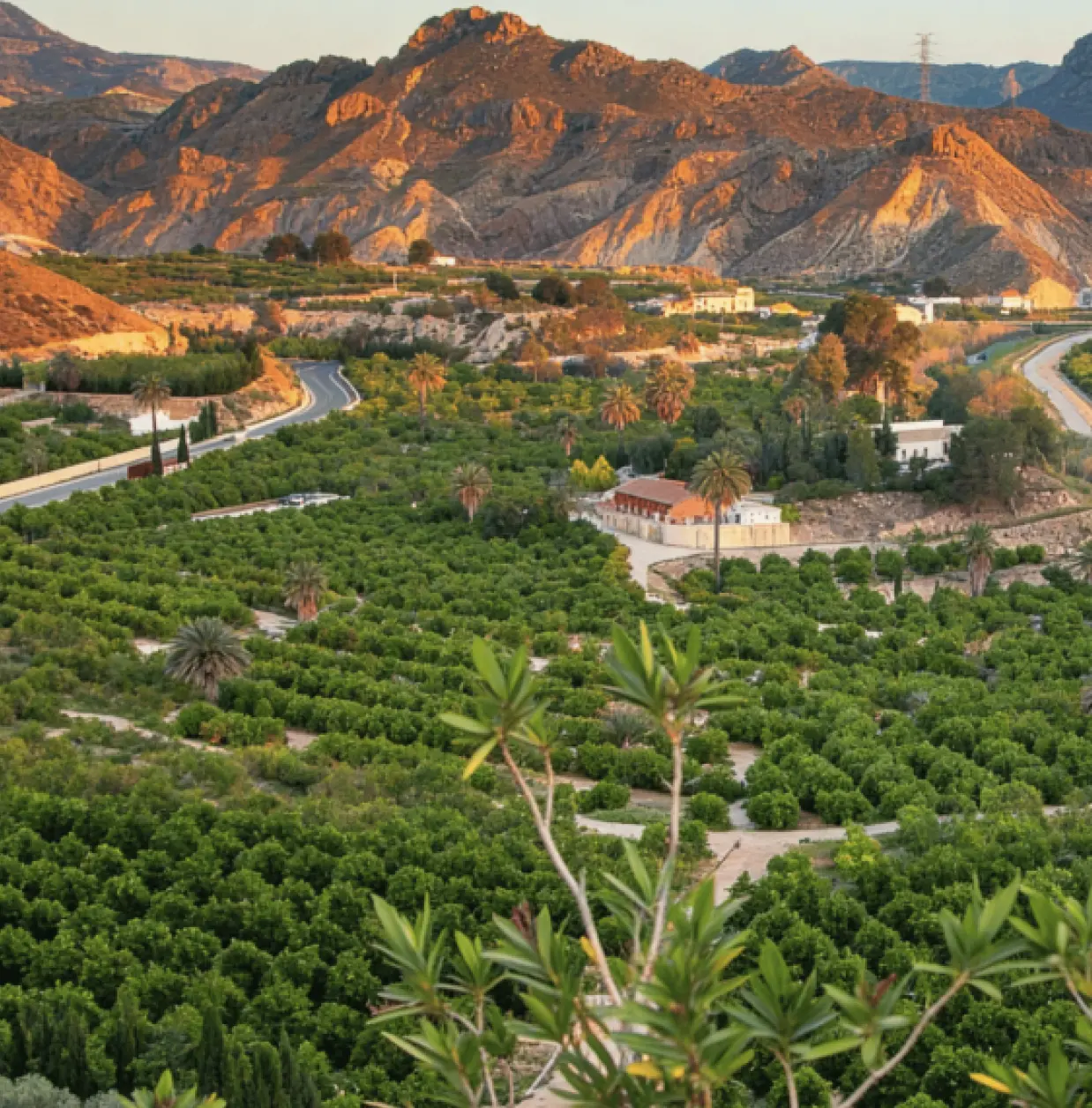
Ricote is the lemon of Valle de Ricote Slow. A place where history, identity and landscape come together to reveal the soul of this land.

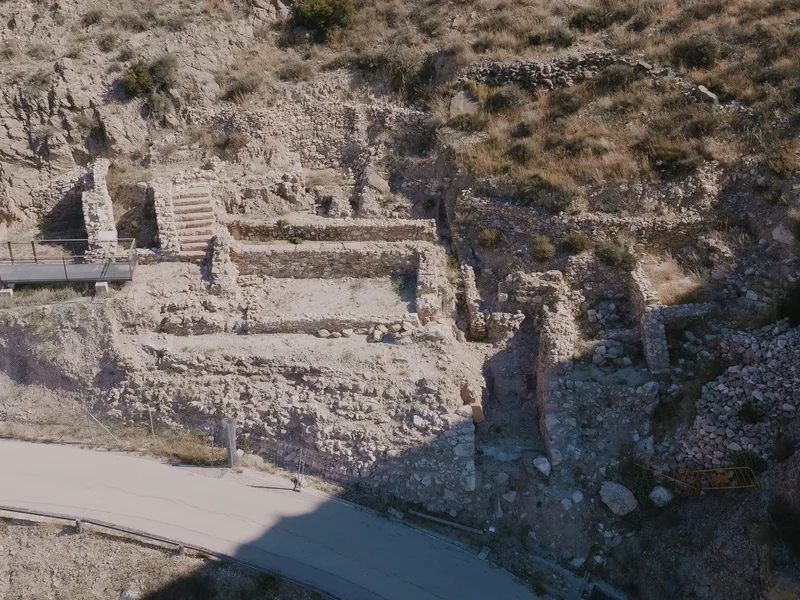
Ricote, Ricot: rock. For centuries, its mountains have sheltered the history and identity of this land. Its past is closely linked to the Morisco presence, whose legacy lives on in the village’s architecture, traditions, paths and memory.

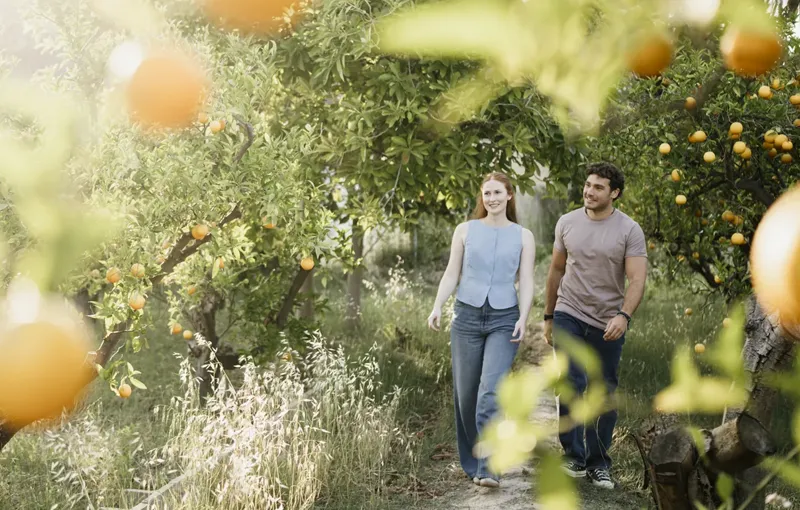
Here, the journey invites you to walk at leisure, breathe in the scent of lemon blossom, wait for sunset amongst the mountains, talk to local people and discover how memory remains part of the present. Because some places stay with you long after you have visited them.

The journey does not end in Ricote. Its essence lives on.

Ricote video

Considered the historical heart of the Valle de Ricote, this municipality holds centuries of history linked to the world of al-Ándalus, the Order of Santiago and the communities which for generations shaped one of the most unique cultural landscapes in the Región de Murcia.

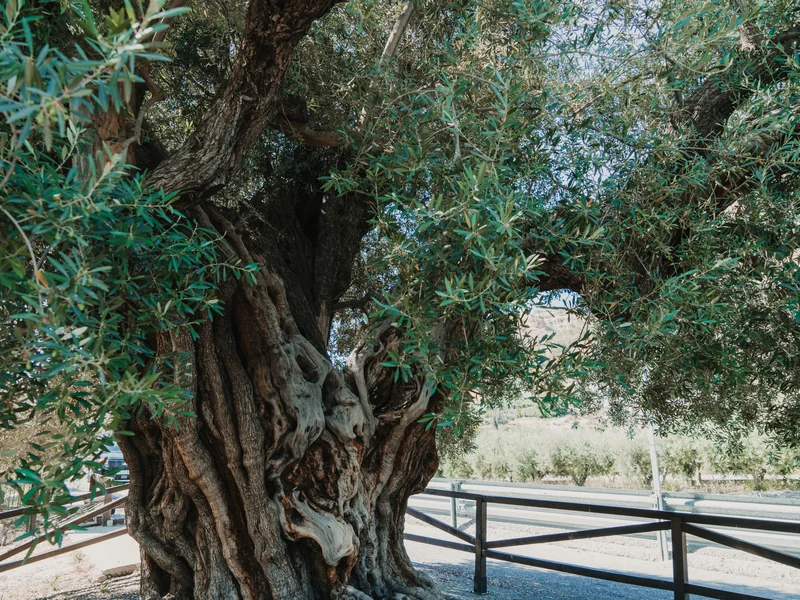
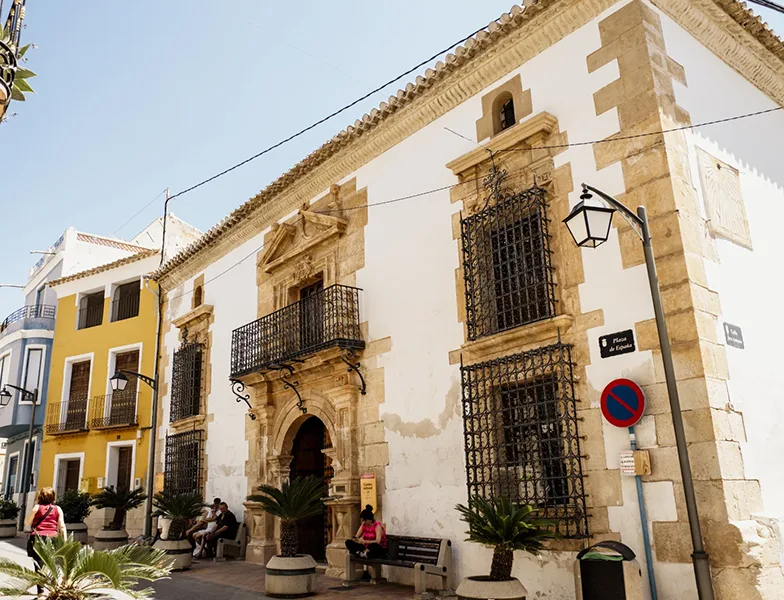
A stroll through Ricote is a chance to discover a village where the past is still very much alive in its squares, traditional houses and ancient paths. Places such as Palacio Álvarez Castellanos / Palacete de Llamas, Casa de la Encomienda, Iglesia de San Sebastián and Centro de Interpretación Al-Ricotí offer an insight into the historical and cultural importance of this territory. Inside the centre, the Sala Inmersiva del Limón takes visitors into the heart of a lemon grove through images, sound and the scent of lemon blossom. They are joined by the Olivera Gorda, a monumental olive tree estimated to be around 1,400 years old and recognised as a Historic Tree, which local tradition links to some of the most significant episodes in the valley’s Andalusian past.

Here, nature is experienced through a sense of vastness and contemplation. The mountain ranges surrounding the town, the ravines, the pine forests and the traditional citrus orchards define a landscape full of contrasts where water again emerges as the most essential element. From the Mirador de la Fuente Buena and the Mirador del Rincón, the views reveal the valley’s full beauty: terraced fields, irrigation channels, mountains and the River Segura winding its way through the vegetation. Alongside them is the Mirador del Cabecico de la Doctrina, one of the valley’s most emblematic viewpoints.

Ricote is also one of the valley’s top hiking destinations. Routes such as the Senda de los Moriscos or the paths leading up to Ricote castle allow you to discover ancient historic trails, wooded areas and some of the most breathtaking landscapes of inland Murcia.

Its gastronomy preserves flavours linked to the fruit trees and its rural traditions. Dishes such as rice with rabbit, wheat stew, “migas”, “michirones” (fava beans) and traditional sweet treats form part of a simple, honest cuisine, prepared with local produce and recipes passed down from generation to generation.

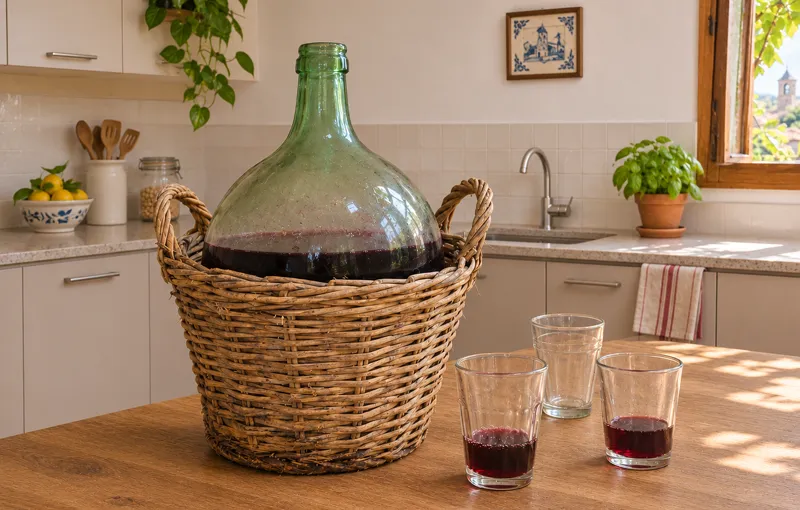
The tradition of artisan winemaking forms part of Ricote’s gastronomic and cultural identity. Many local residents still make wines and liqueurs following traditional practices handed down from generation to generation.

Ricote needs no artifice. It possesses something far harder to find: authenticity.

Here, the valley is not merely admired. It is understood.
Stories and curiosities from Ricote

Did you know...

Olivera Gorda in Ricote

...legend says Ibn Hud was crowned king beneath Olivera Gorda?

Olivera Gorda is one of the trees in the Region of Murcia most closely associated with legends. One places Ibn Hud's coronation beneath its canopy in 1228, when this Muslim leader from Cora de Tudmir rose against Almohad rule and came to control almost all of al-Andalus. Another story places the surrender to the troops of James I beneath the same olive tree in 1266.

Artisan wine from Ricote

...some Ricote residents still make their own wine?

The tradition of artisan winemaking forms part of Ricote’s gastronomic and cultural identity. Many local residents still make wines and liqueurs following traditional practices handed down from generation to generation.

Morisco heritage in Ricote

...the Morisco population remained in Valle de Ricote until 1614?

The expulsion reached Valle de Ricote later than other parts of the Iberian Peninsula. Until 1614, the valley was one of the last strongholds of the Morisco population. Their legacy remains visible in the irrigation channels, market gardens and architecture.

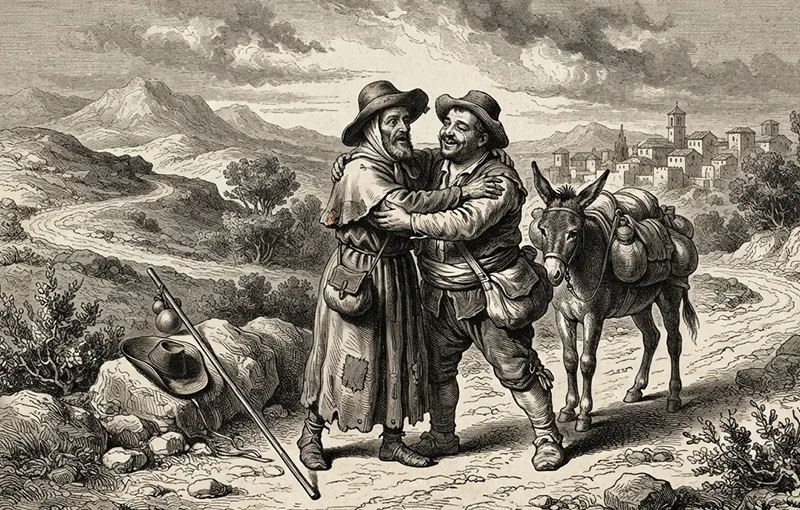
Depiction of the Morisco Ricote

...the Morisco Ricote in Don Quixote may have been inspired by the valley?

Several historians believe that Cervantes may have taken the character's name from Valle de Ricote and drawn on the human tragedy of the Morisco expulsion when telling his story.

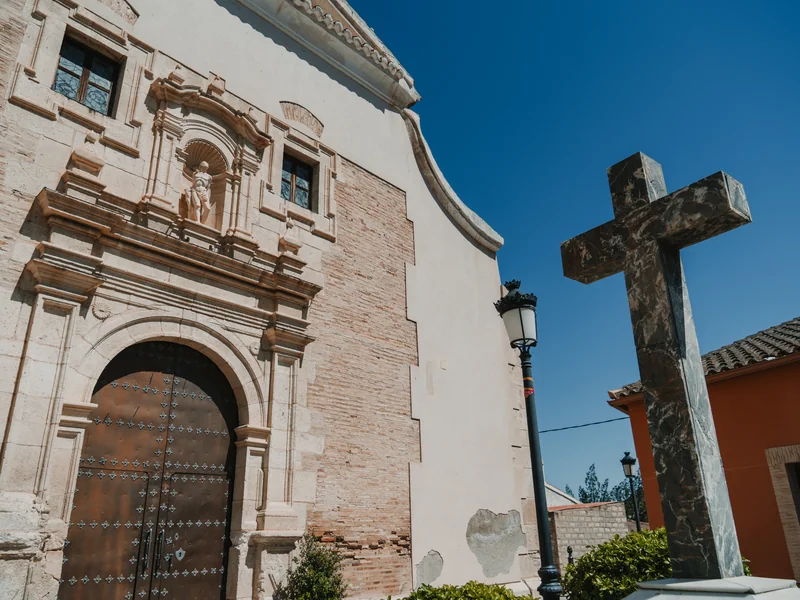
Iglesia de San Sebastián in Ricote

...a medieval mosque once stood on the site of Iglesia de San Sebastián?

The present Iglesia de San Sebastián was built over a 15th-century Christian church, which had itself been constructed on the site of an earlier mosque.

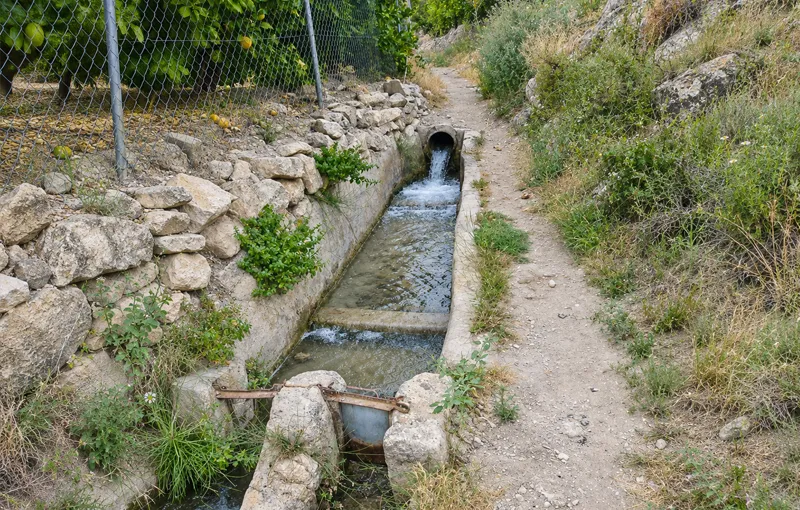
Traditional irrigation channel in Ricote's market gardens

...Ricote's market gardens preserve irrigation systems of Andalusi origin?

Many of the irrigation channels and water dividers that distribute water through Ricote's market gardens today retain their medieval Andalusi hydraulic design.

Market gardens in Ricote

...the name ‘La Muña’ comes from Arabic and means ‘orchard’?

La Muña is one of Ricote's place names that preserves the imprint of Arabic in the names given to the municipality's landscapes.

Plan your visit

Explore Ricote

Loading resources...

More details for your visit

Useful information
about Ricote

Loading forecast...

Ricote Town Hall
C. San Francisco, 7
30610 Ricote, Murcia
968 69 70 63