Municipalities

Villanueva del Río Segura

It is lemon blossom.

Where the senses bloom.

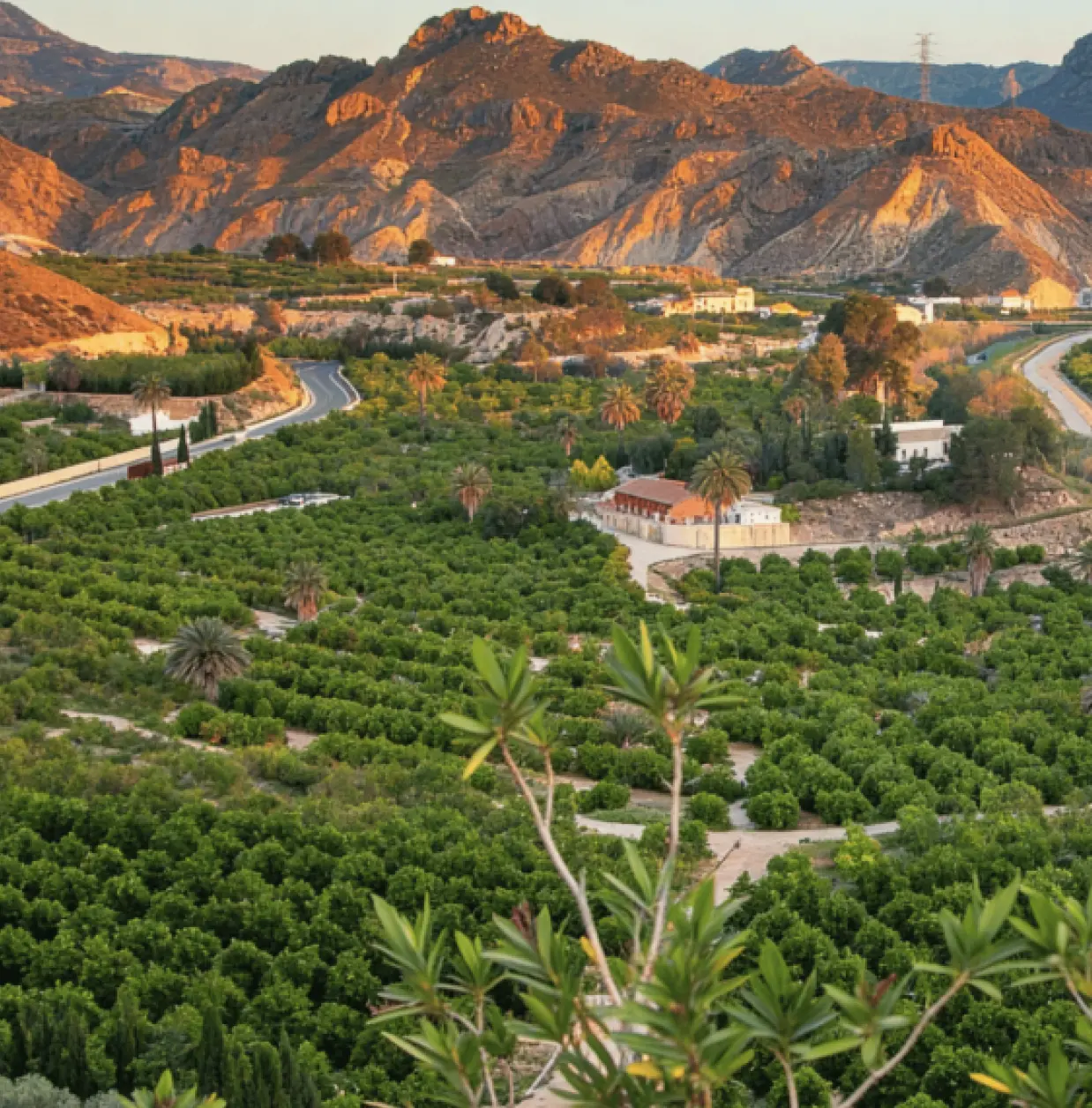
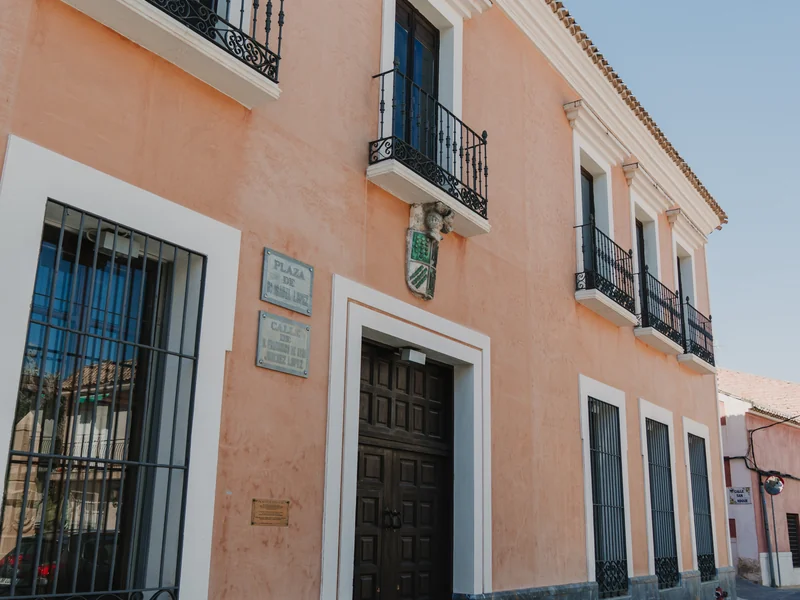
Villanueva del Río Segura is the lemon blossom of Valle de Ricote Slow. The delicacy of a landscape scented by lemon groves, the elegance of its heritage and the legacy of those who made this place unique. Valle de Ricote is also shaped by the people who have left their mark. Dña. Isabel Baltasara is one of them. Her story lives on in the mansion that bears her name and in the memory of a village that continues to honour her legacy.

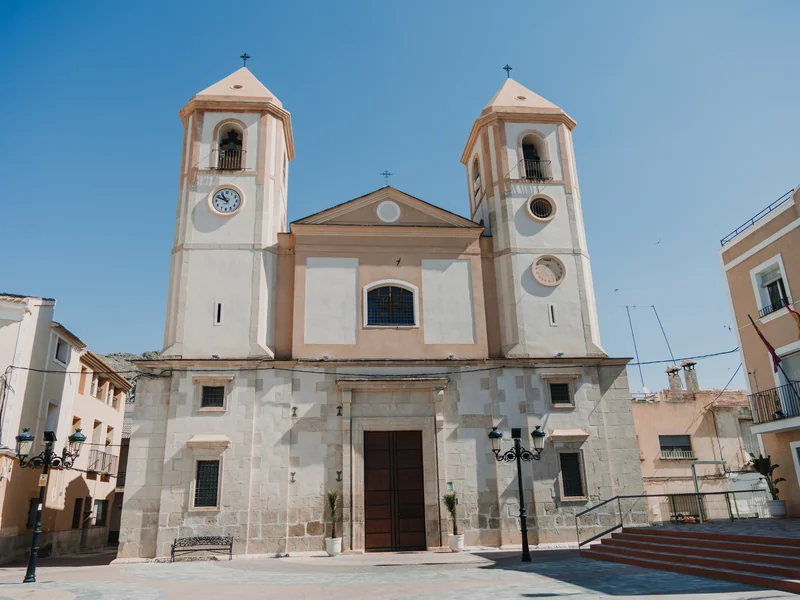
With its monumental Iglesia de Nuestra Señora de la Asunción, known as the Catedral del Valle, its gardens and its quiet streets, the village invites you to stroll at leisure amid the scent of lemon blossom and discover a way of life where wellbeing is part of the landscape.

Because in Villanueva del Río Segura, Valle de Ricote Slow blooms for all the senses.

Villanueva del Río Segura video

Villanueva del Río Segura is space and tranquillity.

A place to pause and watch the landscape breathe, ideal for those looking for things to see in Villanueva del Río Segura within the Valle de Ricote.

Between rolling hills and fertile plains, this town has historically developed in close connection with water and agriculture, maintaining a strong bond with the River Segura and the traditional farming that defines the valley’s landscape. Its peaceful walks, open squares and viewpoints turn any stroll into a leisurely experience, full of light.

Villanueva del Río Segura blends heritage, nature and everyday life with a serene authenticity. Places such as the Iglesia de Nuestra Señora de la Asunción, the Ermita de San Roque and the Museo Casa Palacete de Dña. Isabel Baltasara offer a glimpse into the town’s cultural identity, whilst its streets still retain the tranquil atmosphere of villages where time seems to pass at a different pace.

Here, nature unfolds in panoramic splendour. From the Mirador del Parque de la Finca, the Mirador de La Asomá, the Mirador de la Ermita de San Roque and the Mirador de La Morra, the views open out onto palm groves, lemon trees, irrigation channels and hillsides that change colour with the light of day. Nearby, the River Segura continues to set the rhythm of the land, creating one of the most fertile and recognisable landscapes in the Valle de Ricote.

Villanueva del Río Segura is also experienced through its activities related to the fruit groves and the lemons. Walks amongst the citrus trees, craft workshops, tastings and gastronomic experiences connect visitors with the flavours and aromas that form part of the valley’s identity.

Its tables are graced with traditional dishes such as rice with rabbit, “migas”, wheat stew, “paparajotes”, and homemade creations featuring lemon and orange, the stars of a cuisine deeply rooted in local produce and the culture of the citrus orchards. Alongside traditional varieties, farms such as La Joya del Valle de Ricote grow distinctive citrus fruits such as Buddha’s hand and bergamot, which reflect the area’s agricultural diversity and offer another way to discover the culture of its orchards.

Open, bright and welcoming, Villanueva del Río Segura invites you to slow down and see the landscape through fresh eyes.
Stories and curiosities from Villanueva del Río Segura

Did you know...

Iglesia de Nuestra Señora de la Asunción in Villanueva

...Villanueva has a church known as the ‘Catedral del Valle de Ricote’?

The parish church of Nuestra Señora de la Asunción owes its nickname to the solemn character and impressive size of the building in such a small municipality. Construction began in 1795 and continued until 1882, when it was finally inaugurated after numerous changes and financial difficulties.

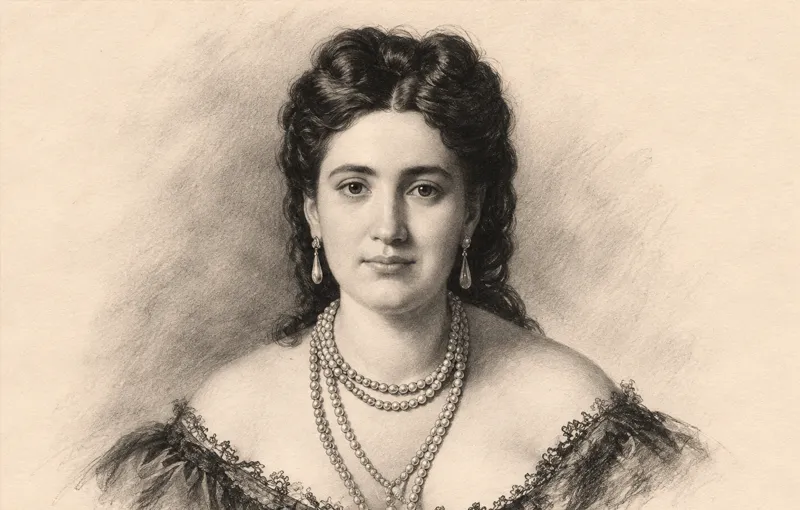
Portrait of Isabel Baltasara of Villanueva

...a woman from a humble local family went on to fund public works in Villanueva?

Doña Isabel Baltasara was born into a humble family in Villanueva and moved to Madrid with her parents. There she met her future husband, Don José García de León Pizarro y Bouligny, the king's minister plenipotentiary. From her new position, she devoted part of her wealth to funding public works and helping the people of her home town.

The Enramaos tradition in Villanueva

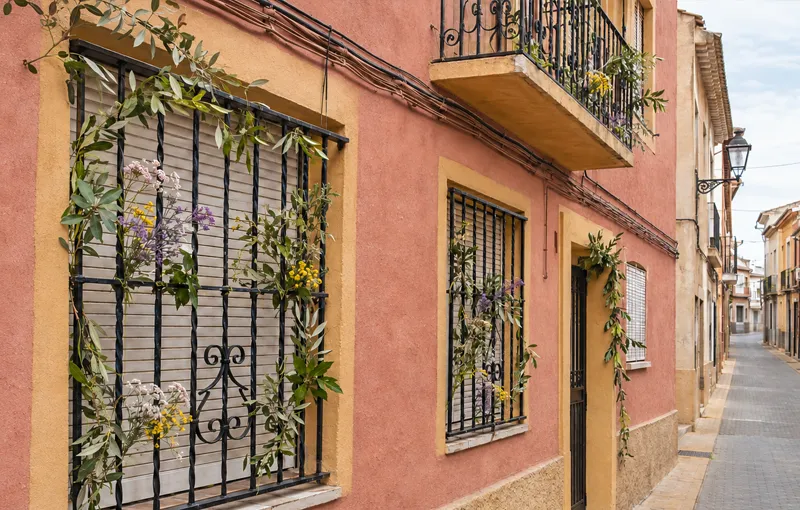
...doors and windows in Villanueva were decorated with flowers as a form of courtship?

On the night of Holy Saturday, young men wishing to court a woman decorated the doors and windows of her home with branches, flowers and other natural materials from the area. Known as the Enramaos, this was a way of expressing interest without words. The tradition has been revived and remains part of Villanueva's celebrations.

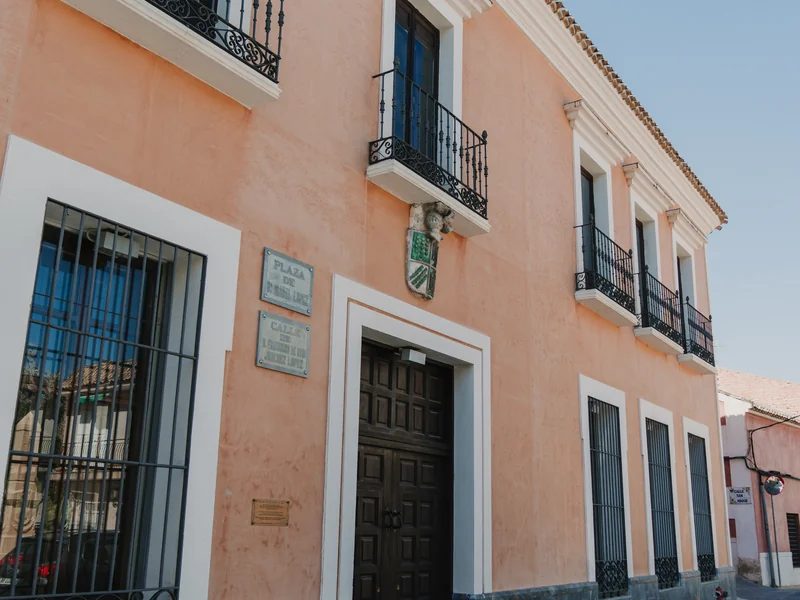
Casa-Palacete de Doña Isabel in Villanueva

...a mansion in Villanueva housed one of Spain's great painting collections?

Casa-Palacete de Doña Isabel once housed a collection of paintings regarded as one of the finest in the Region of Murcia and Spain. The works reflected the standing and connections that Doña Isabel and her husband forged throughout their lives. Today, the house is an art museum and preserves part of that collection.

The Las Viejas tradition in Villanueva

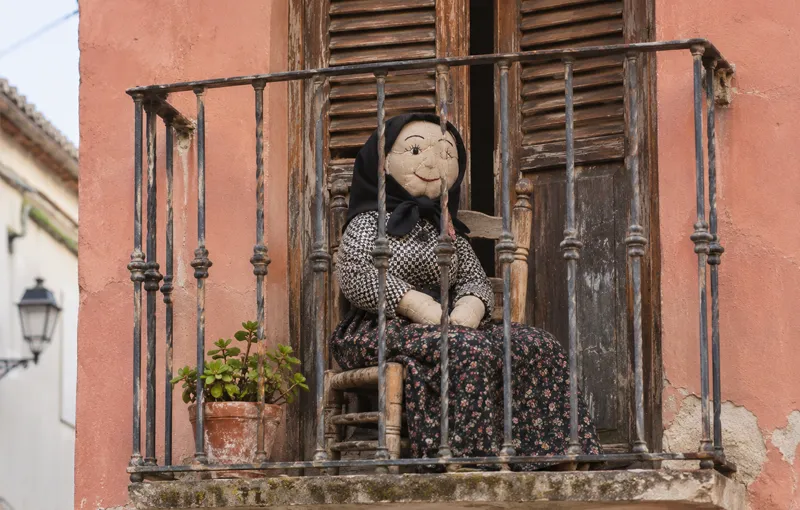
...figures known as ‘Viejas’ once filled Villanueva's balconies on Easter Sunday?

Las Viejas are dolls or effigies that were traditionally placed on doors, windows and balconies on Easter Sunday. The custom coincided with the Enramaos and filled the village with figures and decorations as Holy Week came to an end. Revived in recent years, Las Viejas have become one of Villanueva's symbols.

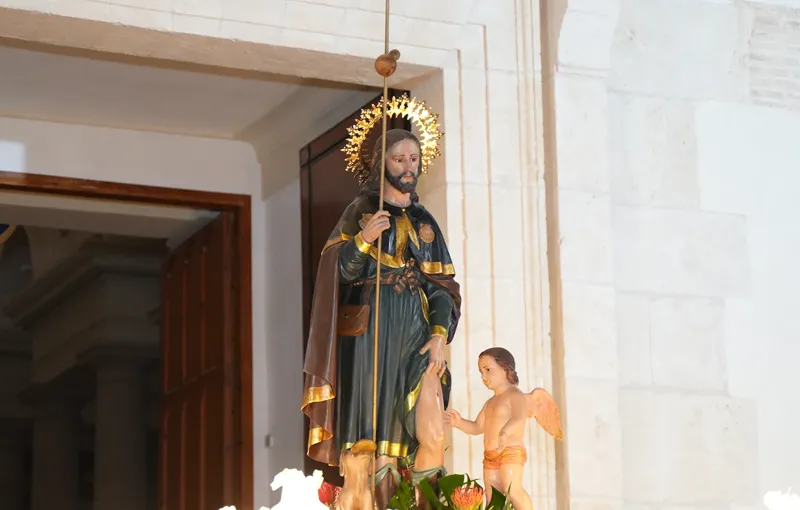
San Roque in Villanueva

...a bunch of grapes was ‘stolen’ for the San Roque procession?

Before San Roque was carried down from his hermitage, one of the finest bunches of grapes was chosen from the nearby market gardens. Tradition required it to be ‘stolen’ and placed beside the saint during the procession. Afterwards, the blessed grapes were shared among local residents together with the basil plants that accompanied the float.

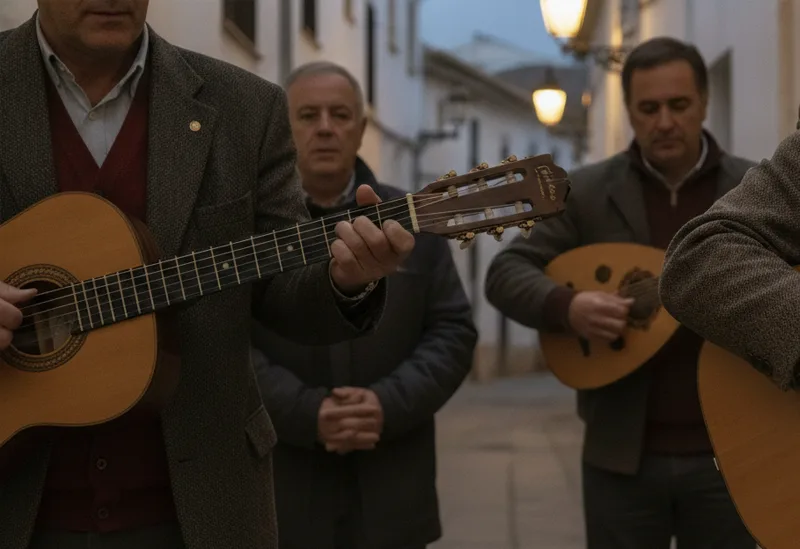
Auroros of Villanueva

...Villanueva's auroros sing through the streets before sunrise?

Every Sunday in October, Villanueva's auroros walk through the streets before dawn, singing the coplas de aurora and inviting local residents to pray the rosary. The tradition has been documented since the 17th century, and their voices are accompanied only by a small bell.

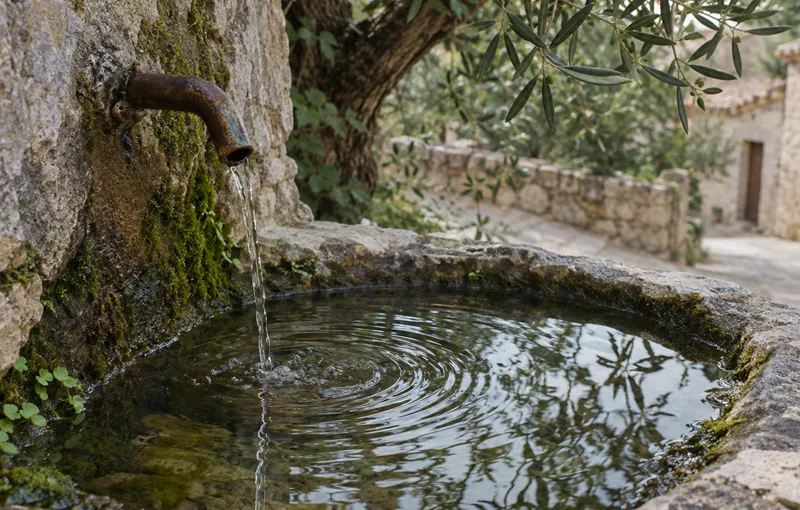
Recreation of Fuente del Cobi in Villanueva

...legend says that drinking from Fuente del Cobi could make you lose your mind?

Fuente del Cobi supplied Villanueva with water for generations. According to the village elders, anyone who drank its waters could lose their mind. The story remains part of the popular memory surrounding this place.

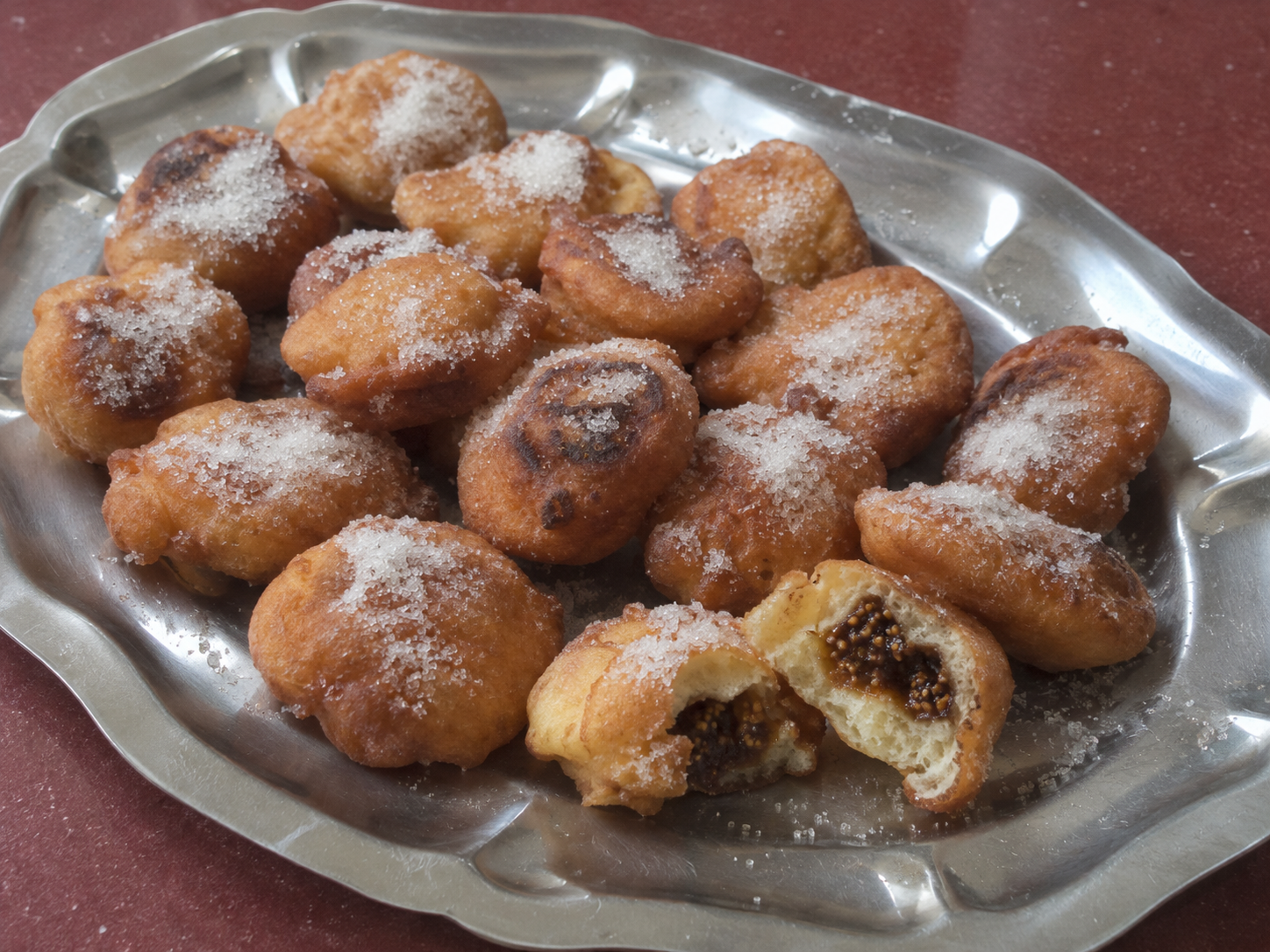
Villanueva paparajotes with dried fig

...Villanueva's paparajotes contain a dried fig?

Villanueva-style paparajotes are made with a dough similar to a fritter, wrapped around a dried fig. The fig replaces the lemon leaf used in the paparajotes of Murcia's market gardens. This variation forms part of Villanueva's culinary tradition.

Plan your visit

Explore Villanueva del Río Segura

Loading resources...

More details for your visit

Useful information
about Villanueva del Río Segura

Loading forecast...

Villanueva Town Hall
Pl. Constitución, 1
30613 Villanueva del Río Segura, Murcia
968 69 81 86